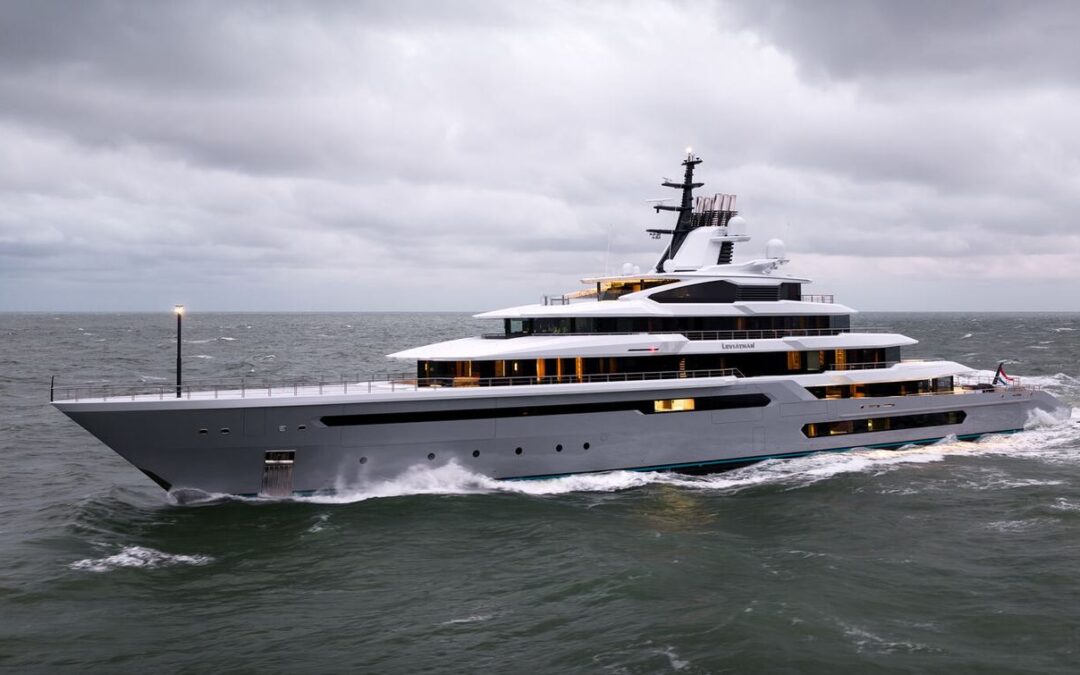
Industry analysis on stabilization, buyer behavior, and sector performance.
Market Stabilization and Strategic Growth
The 2026 global yacht market has entered a distinct phase of maturity, characterized by stabilization and a more analytical mindset among buyers. Following the intense acceleration of the post-pandemic years, the current landscape is defined by deliberate decision-making rather than the rapid, reactive purchasing seen between 2021 and 2023. While ultra-high-net-worth wealth continues to expand across the United States, the Middle East, and key Asian markets, capital deployment has become more strategic. Buyers are now prioritizing long-term value, verified technical data, and transparent pricing structures over immediate availability.
Shipyards remain a stronghold of industry activity, with many premier builders reporting order books filled well into 2028 and 2029. This extended lead time has influenced the brokerage sector, pushing motivated buyers to consider high-pedigree existing vessels as viable alternatives to waiting for a new build. However, the frenzy of previous years has been replaced by structured comparisons and deeper due diligence. The market is no longer driven by a fear of missing out, but by a pursuit of operational efficiency and future-proof assets.

Segment Performance and Pricing Dynamics
Distinct trends have emerged across key size categories, reflecting the evolving priorities of modern owners. The 30 to 40-meter (98’–131′) segment remains exceptionally active, favored for its balance of manageable operating costs and crewing requirements. This category appeals strongly to both first-time owners and experienced yachtsmen seeking to simplify their maritime operations without sacrificing range or comfort. Meanwhile, the 40 to 60-meter (131’–197′) range continues to serve as the market’s performance engine, offering the optimal sweet spot between transoceanic capability and luxury volume.
Pricing in the new-build sector remains elevated, sustained by labor shortages, material costs, and the integration of complex propulsion systems. In contrast, the brokerage market has rationalized; while values have softened slightly from their historic highs, premium vessels with up-to-date mechanical records continue to command strong valuations. This “rational environment” benefits buyers who utilize data to identify fair market value, creating a healthy ecosystem where quality inventory moves steadily.

The Rise of Data-Driven Design and Refits
2026 is shaping up to be a data-driven year for the industry. Information transparency regarding depreciation curves, operating costs, and comparative benchmarks has become a primary tool in the acquisition process. This analytical approach extends to technical specifications, with a marked preference for yachts engineered for reliability and quiet operation. Buyers are increasingly focused on operational efficiency, seeking vessels that support global cruising with reduced downtime and lower environmental impact.
Consequently, the refit sector is experiencing a projected surge. Older yachts lacking hybrid readiness or modern stabilization systems are increasingly being viewed as candidates for major technical overhauls to remain competitive. Owners are investing significantly in hybrid propulsion integrations, next-generation energy management systems, and wellness-focused interior redesigns. These upgrades are no longer just aesthetic choices but are essential for future-proofing assets and maintaining resale value in a market that rewards technological relevance.

A Mature and Measured Industry
The 2026 yachting landscape represents a return to fundamentals, where informed acquisition strategies replace impulse buying. The market has successfully transitioned from a period of overheating to one of sustainable, measured growth. For stakeholders—from shipyards to brokerage firms—success in this environment relies on providing clarity, technical expertise, and verifiable data. As buyers become more discerning, the industry’s focus shifts toward delivering tangible quality and operational excellence, ensuring that the maritime sector remains resilient and robust for the decade ahead.
This article has been sourced from press releases and cross-referenced with multiple trusted websites. Facts originally seen at YATCO along with other YATCO Crew Trends. Images are credited to YATCO. While efforts have been made to ensure accuracy, readers are encouraged to verify details independently.