US studio reveals gigayacht proposal targeting 50-knot speeds with hybrid propulsion
Concept Unveiling and Scale
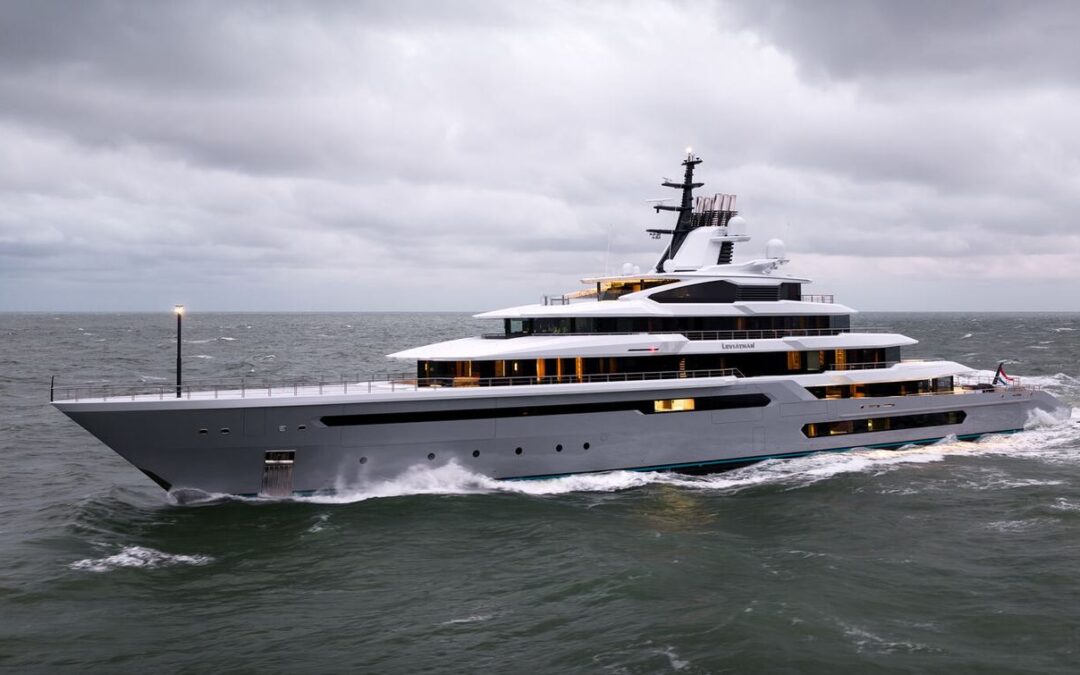
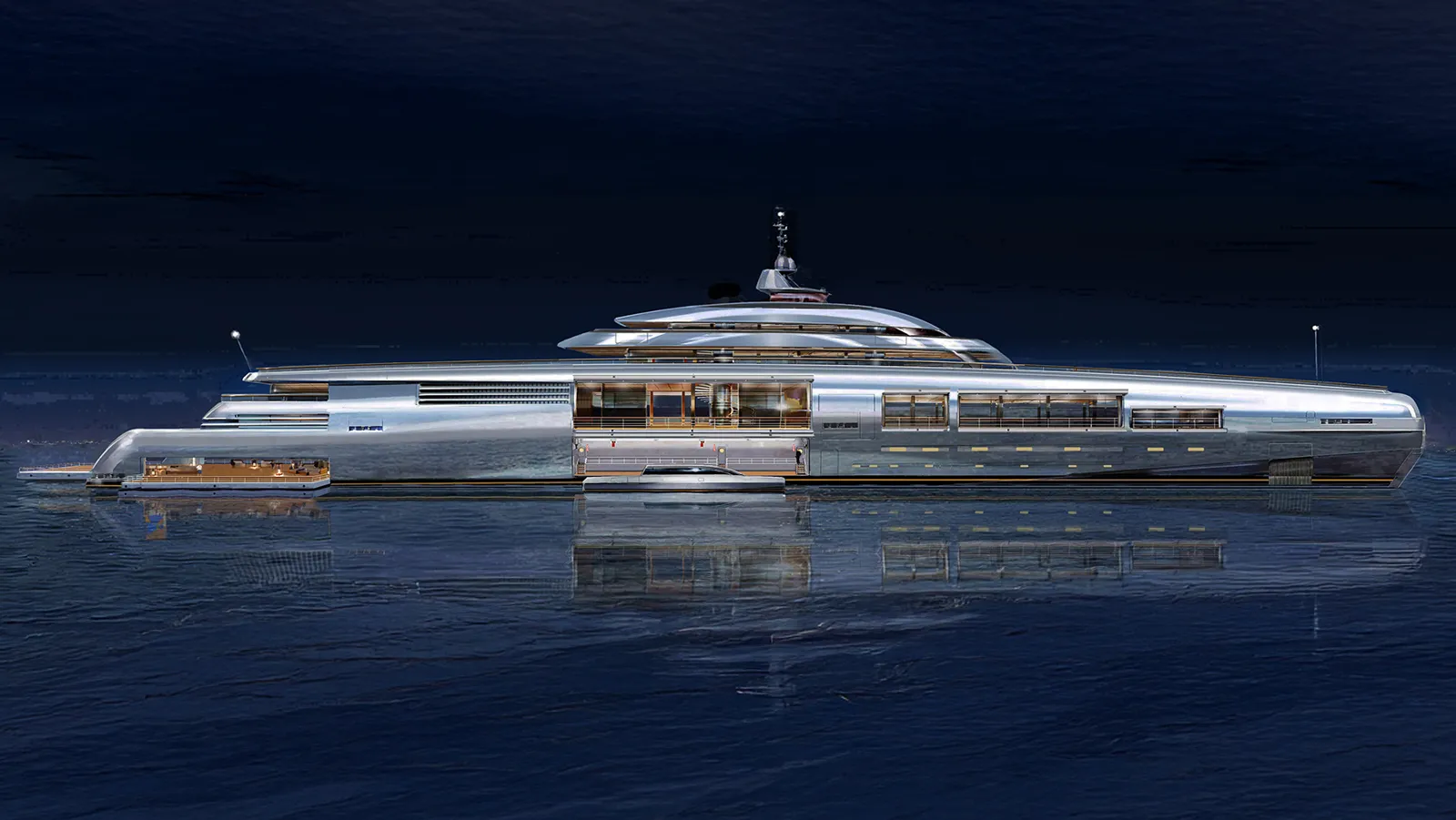
US-based studio Gary Grant Design has officially revealed a 153-meter superyacht concept intended to challenge current limitations on speed and size. Dubbed a “gigayacht” due to its substantial dimensions, the vessel is engineered to achieve a top speed of 50 knots, a figure rarely associated with yachts of this magnitude. If realized, the project would rank among the largest hybrid superyachts globally, positioning itself as a significant technical achievement in the large-vessel sector.
The design moves away from traditional naval architecture constraints by targeting high-performance metrics usually reserved for smaller patrol vessels. The 153-meter platform is not merely a styling exercise but is reportedly backed by mathematical performance models developed over the past 12 months. This announcement places Gary Grant Design in direct conversation with European yards known for building vessels exceeding 100 meters, though the emphasis here is distinctly on the combination of extreme velocity and volume.
Hybrid Propulsion and Engineering
To achieve the claimed 50-knot performance, the concept relies on a complex hybrid propulsion system. The technical specification outlines the use of Wärtsilä 31 engines integrated with electric drives and a substantial energy storage system. These components power two waterjets, allowing for efficient cruising and zero-emission operations in sensitive marine environments or regulated ports.
For peak performance, the engineering package includes twin Rolls-Royce MT30 gas turbines. These turbines drive an additional pair of Wärtsilä waterjets, providing the necessary thrust to push the 153-meter hull to its maximum speed. This dual-mode setup allows the vessel to operate silently on battery power for harbor maneuvering while retaining the capability for rapid transit, effectively bridging the gap between sustainable cruising and high-speed interception capabilities.
Sculptural Design and Interior Volume
Aesthetic decisions for the 153-meter concept focus on reducing visual mass while maximizing internal volume. The superstructure is characterized by the studio’s signature “sculpted glass,” which avoids conventional window bands in favor of continuous, flowing surfaces. This approach serves both aerodynamic and architectural purposes, reducing wind resistance while flooding the interior with natural light.
The structural glass allows for significant interior heights, with the main saloon featuring floor-to-ceiling windows and headroom exceeding 5.2 meters. The layout emphasizes open-plan living, culminating in a convertible beach club designed to offer seamless indoor-outdoor transitions. These design choices reflect a shift in gigayacht preferences toward spaces that prioritize visibility and connection to the water, rather than enclosed, compartmentalized luxury.
Industry Significance and Conclusion
The Gary Grant Design 153-meter concept represents a bold proposal in the superyacht market, challenging the assumption that size must compromise speed. By integrating gas turbine technology with modern hybrid systems, the project addresses the dual demands of performance and environmental responsibility. While currently a concept, the detailed engineering specifications suggest a serious intent to push the boundaries of what is technically feasible in gigayacht construction.
This article has been sourced from press releases and cross-referenced with multiple trusted websites. Facts originally seen at Marine Industry News along with other industry reports. Images are credited to Marine Industry News. While efforts have been made to ensure accuracy, readers are encouraged to verify details independently.